
Building Remedies to End
Abusive Tear Gas & Harmful Exposures
THE BREATHE ACT
Building Remedies to End
Abusive Tear Gas & Harmful Exposures
Inspired by the Illinois Accountability Commission's comprehensive investigation into chemical agent deployments and building upon the Attorney General's landmark lawsuit challenging federal crowd control practices, this legislation represents a critical step in protecting public health and civil liberties from harmful exposure to chemical weapons.
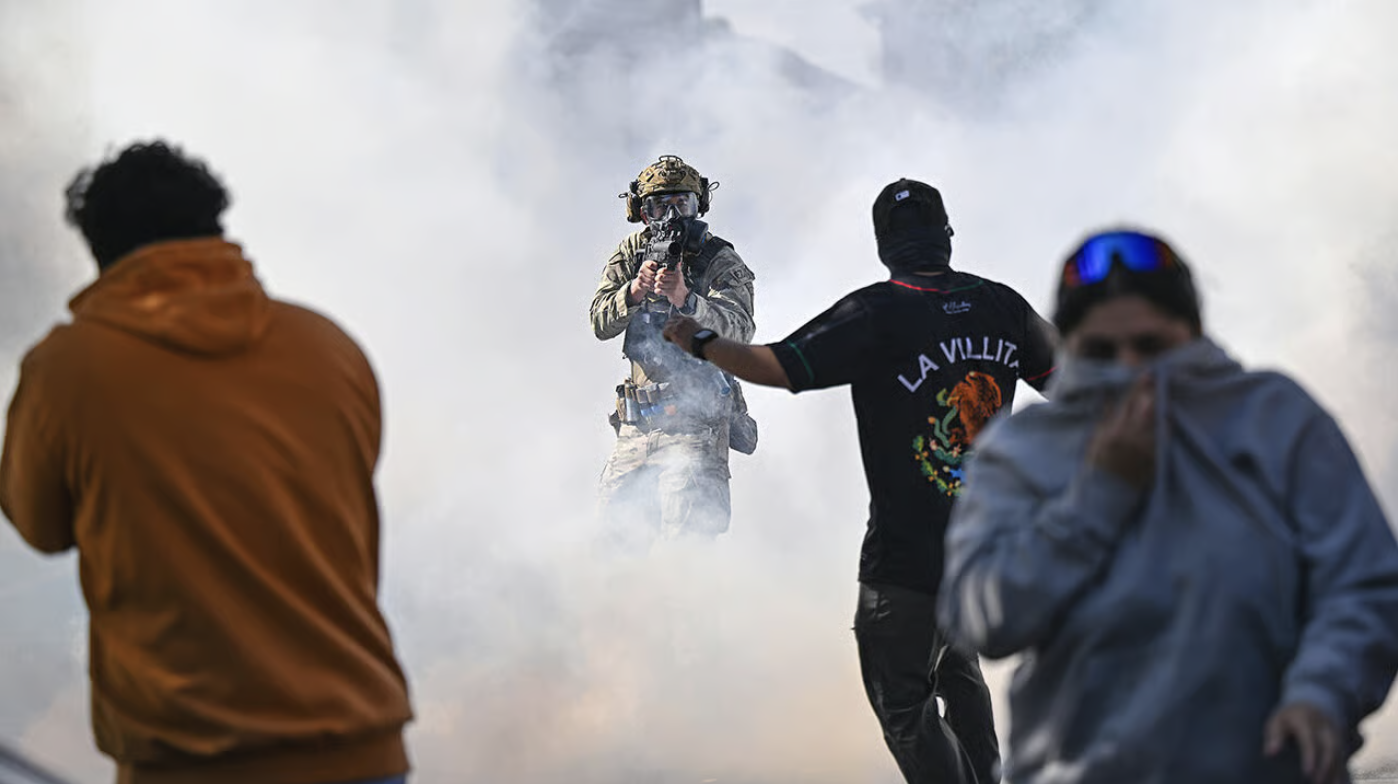
The passage of the BREATHE Act is critically important because it addresses a profound and ongoing threat to public health and safety in Illinois by seeking to end the indiscriminate and harmful use of chemical irritants like tear gas on our communities. These agents are not benign; they cause severe, documented harm including permanent respiratory damage, miscarriages, and chemical burns, affecting not just protesters but vulnerable populations like children, the elderly, and those with pre-existing conditions.
By prohibiting dangerous agents, establishing independent oversight and rigorous safety testing, and removing legal shields that prevent accountability, the BREATHE Act offers a necessary and proactive framework to protect all residents. Furthermore, as demonstrated by law enforcement's successful management of major events without these chemicals, such measures are not only essential for public health but are a viable and effective alternative to practices that endanger the very communities they are meant to serve.
Thank You to Our Sponsors!
Representative Edgar Gonzalez
Senator Robert Peters
Key Provisions
Public Health Protections
Comprehensive Ban: Prohibits deployment of tear gas and lachrymatory agents in Illinois
Strict Regulatory Framework: Establishes a Chemical Agent Review Board under the Illinois Department of Public Health to:
Develop scientific standards for chemical irritant agents
Monitor health impacts
Review scientific evidence
Pepper Spray Regulations
Strict Safety Standards to be developed by IDPH, including:
Maximum 1.3% capsaicinoid content
Mandatory comprehensive safety testing
Prohibited additives and delivery mechanisms
Public Transparency:
Public database of approved formulations maintained by IDPH
Adverse event reporting requirements
Enforcement Mechanism
Private Right of Action:
Individuals can sue for damages from chemical agent exposure
Strict liability standard
Damages up to $5,000 per violation
No qualified immunity defense
Interested Party Organization Standing:
Non-profit organizations can file enforcement actions
20% of civil penalties allocated to community education and services
Accountability
Mandatory Reporting:
All chemical irritant deployments must be reported within 48 hours
Comprehensive public database of deployments
Strict Liability Framework
No Fault Required: Plaintiffs do not need to prove intent, negligence, or culpable mental state
Automatic Liability: Deployment of a prohibited or unapproved chemical irritant that causes injury is automatically a tort
Broad Defendant Scope: Legal action can be brought against:
Direct deployers
Those who ordered the deployment
Agencies whose employees conducted the deployment
Suppliers of prohibited chemical agents
Key Legal Innovations
Expansive Causation Standard: Plaintiffs only need to show the chemical agent was a "contributing factor" in their injury
Comprehensive Damages:
Actual damages (medical expenses, lost wages)
Statutory damages of at least $5,000 per violation
Potential punitive damages for reckless conduct
Attorney's fees and expert witness costs
Strategic Legal Design
The tort mechanism is deliberately constructed to:
Prioritize public health protection
Remove barriers to legal recourse
Create strong deterrence against inappropriate chemical agent use
The BREATHE Act is supported by:
